

Inorganic salt raw materials typically refer to compounds formed by the combination of metal ions or ammonium ions (NH₄⁺) with acid anions. They are widely present in nature or prepared through industrial processes. As fundamental materials for modern industrial and social development, they possess diverse sources and abundant varieties, holding an irreplaceable position in the national economy.
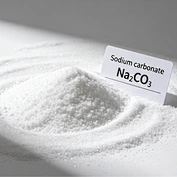
Their primary sources fall into three major categories: First, mineral resources such as sodium chloride mined from rock salt deposits and potassium chloride extracted from sylvite. Second, saline resources like seawater and brines from salt lakes, rich in soluble salts containing sodium, potassium, magnesium, bromine, and other elements, serving as vital raw materials for extracting various inorganic salts. Third, high-purity or functionally engineered salts produced through chemical synthesis, such as sodium carbonate and barium sulfate, meet diverse industrial requirements.
Inorganic salts find applications across virtually all major industrial sectors. In agriculture, key fertilizer components like potassium chloride, ammonium nitrate, and phosphates play a decisive role in boosting crop yields. In chemical and materials industries, sodium carbonate (soda ash) is a core raw material for glass, soap, and detergent production; chlorides are used in electrolysis to produce chlorine and caustic soda; and titanium dioxide (titanium white) serves as a high-performance white pigment. In the food industry, sodium chloride serves as a flavoring agent and preservative, while sodium bicarbonate is widely used as a leavening agent in baked goods; In pharmaceuticals, sodium chloride is used to prepare saline solutions, while magnesium sulfate serves as a laxative or injectable medication. Furthermore, various inorganic salts play vital roles in electronics, metallurgy, water treatment, and building materials industries. Examples include high-purity reagents for semiconductor manufacturing, fluorides in aluminum electrolysis, and polyphosphates for water softening.
In summary, as fundamental chemicals, the resource development capacity, extraction process capabilities, and synthetic technological advancements of inorganic salt raw materials directly impact the product quality and technological upgrades of downstream industrial chains. Consequently, they have become a key indicator for measuring a nation's level of industrialization and scientific and technological development.



Model NO.:JT00091
US $0.74 - US $0.97


- 1
- 2
- 3
- 4
