


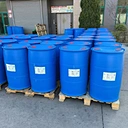


Model No: Industrial-grade 99.9%
Isopropanol IPA Bulk container Industrial-grade
Isopropyl alcohol, also known as 2-propanol (IPA), is an important organic compound and widely used chemical raw material.
minimum order :
1 kilogram
Supply Ability :
100Tkilogram / Week
Stock Time :
30Day
Country of Origin :
China
Quantity :
US $0.70 - US $1.30 / kilogram
CAS NO. | 67-63-0 |
Packaging Specifications | 160kg per drum |
Appearance | Colorless transparent liquid |
Grade | Industrial-grade |
Odor | Smells like a mixture of ethanol and acetone |
Applications | Disinfection, cleaning, industrial solvents |
Density | 0.79±0.1 g/cm3 |
Main Applications
1. Disinfection and Medical Applications (Most Common Uses)
Hand Sanitizer: Similar to ethanol, aqueous solutions of Isopropanol (also known as isopropyl alcohol) at 60%-90% concentration effectively kill bacteria, viruses, and fungi. Isopropanol’s antimicrobial properties make it a core component in hand sanitizers, especially in healthcare settings where thorough disinfection is critical. Many hand sanitizer formulations rely on Isopropyl alcohol for its fast-acting and broad-spectrum disinfection capabilities.
Surface Disinfection: Isopropanol is widely used to disinfect medical equipment (e.g., thermometers, stethoscopes), hospital countertops, door handles, etc. Isopropanol evaporates faster than ethanol and leaves no residue, making Isopropyl alcohol ideal for disinfecting sensitive medical devices and high-touch surfaces. The rapid evaporation of Isopropanol minimizes downtime for equipment reuse, enhancing workflow efficiency in medical facilities.
Skin Disinfection: 70% Isopropanol swabs are commonly used to disinfect skin prior to injections or blood draws. Isopropanol effectively kills surface microorganisms without causing excessive skin irritation, making Isopropyl alcohol a preferred choice for pre-injection skin preparation. Healthcare professionals rely on Isopropanol swabs for their consistent disinfection performance and gentle nature on skin.
2. Electronics Industry
Cleaning Agent: High-purity Isopropanol serves as an excellent electronic cleaner. Isopropyl alcohol effectively dissolves contaminants like grease and rosin-based flux without damaging precision components.Isopropyl alcohol is commonly used for cleaning circuit boards (PCBs), optical lenses (e.g., camera and smartphone lenses), magnetic heads, and integrated circuits. The high purity of Isopropyl alcohol ensures no residual contaminants are left behind, protecting the performance of electronic components.
Desiccant: Due to its volatility, Isopropanol can displace moisture to aid in drying cleaned electronic components. Isopropyl alcohol’s ability to evaporate quickly and absorb moisture makes Isopropyl alcohol a valuable desiccant in electronic manufacturing and repair. Using Isopropyl alcohol as a desiccant helps prevent water damage to sensitive electronic parts, ensuring their long-term reliability.
3. Chemical and Laboratory Applications
Solvent: Isopropanol serves as a versatile solvent in numerous inks, coatings, resins, pesticides, and extraction processes. Isopropyl alcohol’s excellent solvency power makes Isopropyl alcohol suitable for dissolving a wide range of organic compounds, making Isopropyl alcohol a staple in the chemical industry. Many formulations, from industrial inks to agricultural pesticides, rely on Isopropyl alcohol for uniform mixing and stability.
Chemical Intermediate: Isopropanol acts as a key raw material for producing acetone, isopropylamine, and other chemical products. Isopropyl alcohol’s chemical structure allows for easy modification, making Isopropyl alcohol an important intermediate in organic synthesis. The versatility ofIsopropyl alcohol in chemical reactions makes Isopropyl alcohol a critical building block for many industrial chemicals.
Laboratory Reagent: Isopropanol is widely used as a laboratory reagent for precipitation in DNA extraction, as a mobile phase component in chromatography, and for routine cleaning and disinfection. Isopropyl alcohol’s high purity and consistent chemical properties make Isopropyl alcohol a reliable reagent in scientific research. Researchers depend on Isopropyl alcohol for its reproducible performance in various laboratory procedures.
4. Household and Industrial Cleaning
Cleaning Agent: Isopropanol is effective for cleaning glass and stainless steel surfaces, removing stubborn residues like adhesive tape, oil-based marks, and lipstick stains. Isopropyl alcohol’s ability to cut through grease and grime makes Isopropyl alcohol a popular ingredient in household and industrial cleaners. Using Isopropyl alcohol for cleaning ensures streak-free results on glass surfaces and thorough residue removal on metal surfaces.
Adhesive Remover: Isopropanol effectively softens and removes pressure-sensitive labels and glue residues. Isopropyl alcohol breaks down the adhesive bonds without damaging the underlying surface, making Isopropyl alcohol ideal for removing stickers, labels, and glue marks from various materials. Both households and industries use Isopropyl alcohol as a safe and effective adhesive remover.
5. Other Applications
Antifreeze: Isopropanol can be added to automotive windshield washer fluid as a freeze-preventative and cleaning agent. Isopropyl alcohol lowers the freezing point of the washer fluid, preventing it from freezing in low temperatures. Additionally, Isopropyl alcohol enhances the cleaning power of the fluid, ensuring clear visibility during cold weather. Many windshield washer fluid formulations include Isopropyl alcohol for its dual antifreeze and cleaning properties.
Cosmetics and Personal Care Products: Isopropanol is used as a solvent in nail polish removers and hair styling sprays. Isopropyl alcohol effectively dissolves nail polish resins, makingIsopropyl alcohol a key component in nail polish removers. In hair styling sprays, Isopropyl alcohol helps dissolve and distribute styling polymers, ensuring a long-lasting hold. Cosmetic manufacturers value Isopropyl alcohol for its solvency and quick-drying properties.
Fuel Additives: Isopropanol can serve as an additive and solvent for gasoline. Isopropyl alcohol helps dissolve water contaminants in gasoline, preventing fuel line freezing and improving combustion efficiency. The addition of Isopropyl alcohol to gasoline also helps reduce emissions, making Isopropyl alcohol a beneficial fuel additive for both automotive and industrial engines.


