Polyquaternium Compatibility Issues Formula Adjustment Alternative Raw Materials Solution
author: Victoria
2026-03-13
Polyquaternium is a core functional raw material in global personal care, cosmetics and daily chemicals, valued for its excellent conditioning, antistatic, film-forming and moisturizing properties in shampoos, conditioners, skincare products and more. However, its compatibility problems—causing formula turbidity, flocculation, precipitation, viscosity mutations and even product failure—have long plagued overseas manufacturers, increasing costs and eroding market competitiveness.
As a cationic polymer, polyquaternium’s incompatibility with anionic ingredients, certain non-ionic materials and electrolytes stems from its chemical structure and charge characteristics. For brands targeting the EU, US, Southeast Asia and other overseas markets, solving this issue is critical for product stability, international quality compliance and global market access.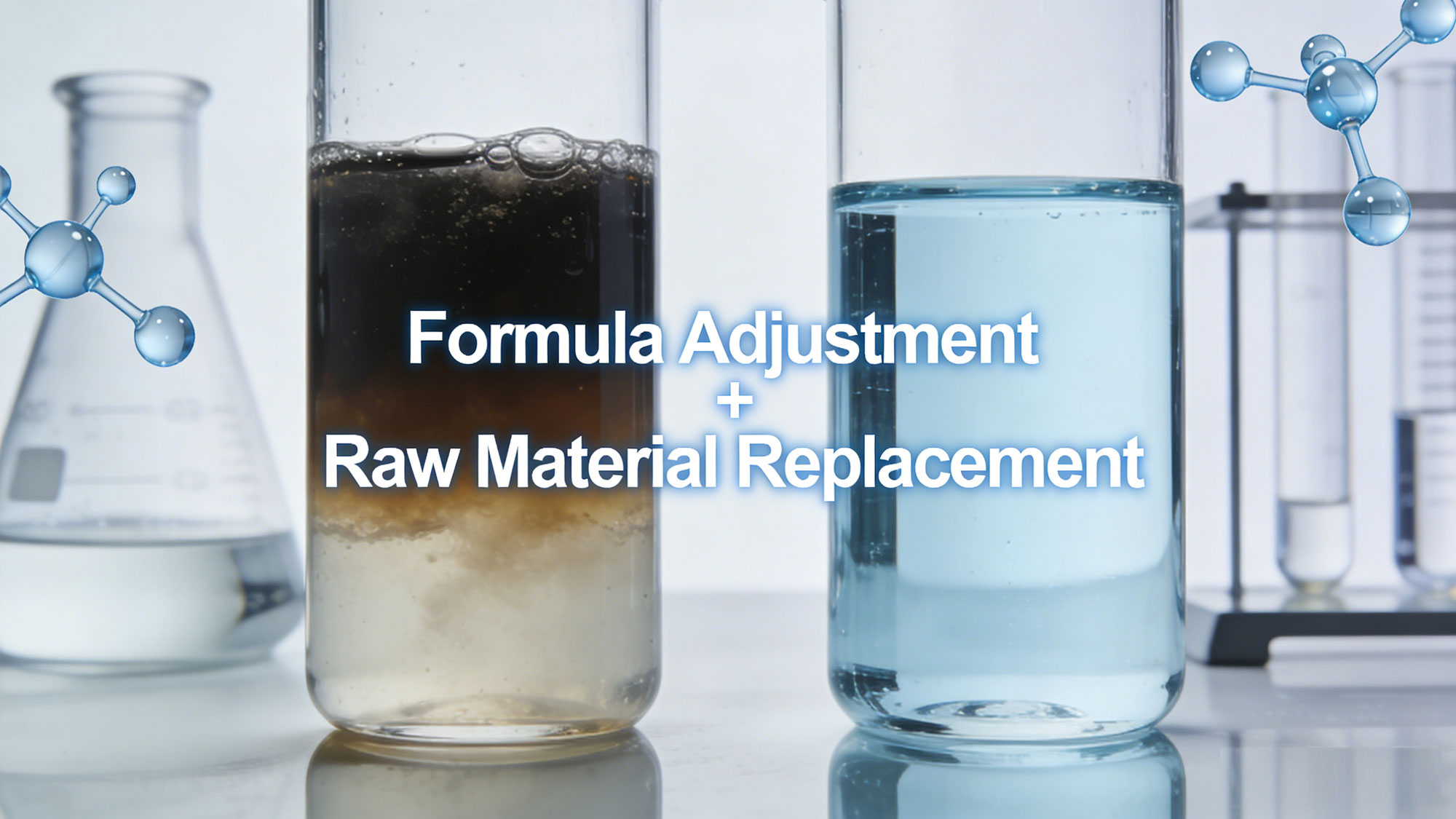
Drawing on years of serving global personal care enterprises and in-depth polyquaternium application research, we offer a targeted formula adjustment + alternative raw material composite solution, with a 98%+ success rate in resolving compatibility issues, helping manufacturers eliminate formula risks and boost competitiveness.
Core Causes of Polyquaternium Compatibility Problems
-
Charge conflict: Positive charges of polyquaternium react with negative charges of anionic surfactants/polymers (e.g., SLS, hyaluronic acid), forming insoluble ionic complexes.
-
Improper ratio & addition order: Excess polyquaternium (>1% in shampoos) or direct addition to high-concentration anionic solutions exacerbates incompatibility.
-
pH/electrolyte sensitivity: Most polyquaternium is stable only at pH 4–7; strong acid/alkali damages its structure, and high-concentration electrolytes (e.g., NaCl) cause salting-out and precipitation.
-
Raw material impurities: Low-purity polyquaternium contains residual monomers/metal ions that react with other ingredients, reducing stability.
One-Stop Composite Solution
1. Formula Adjustment (Retain Polyquaternium’s Functions)
A cost-effective way to solve issues without changing core ingredients, with 4 key strategies:
-
Concentration control: 0.1%–0.3% for shampoos, 0.5%–1% for conditioners, ≤0.2% for hyaluronic acid-containing products.
-
Optimize mixing: Dissolve polyquaternium in deionized water first, add non-ionic/amphoteric surfactants as a buffer, then anionic ingredients; use a homogenizer for full mixing.
-
Regulate pH & electrolytes: Adjust pH to 4–7; control electrolyte addition <1% or replace with non-ionic thickeners (e.g., xanthan gum).
-
Add modifiers: Small amounts of polysorbate 20 or polyquaternium-39 form a "charge shield" to reduce positive-negative charge attraction.
2. High-Compatibility Alternative Raw Materials
For full problem-solving or green/cost-saving goals, 3 types of substitutes replace traditional polyquaternium (PQ-7, PQ-10) and even enhance performance:
-
PQ derivatives (direct replacement): PQ-67 (lightweight for transparent gels), PQ-44 (strong antistatic for cleansers) — EU/US compliant, no major formula changes needed.
-
Natural modified cationic ingredients: Guar Hydroxypropyltrimonium Chloride (excellent conditioning for organic lines), Cationic Starch (mild, cost-effective for mass market) — biodegradable, silicone compounding compensates for slight antistatic weakness.
-
Plant-based cationic polymers: Sym Feel Quat Green®, BioQuat SG™ — made from renewable plant resources, align with global green trends, perfect for high-end hair/skincare products.
3. Composite Application (Maximize Performance & Compatibility)
Combine formula adjustment and alternative materials for best results (e.g., replace part of PQ-10 with PQ-67, control total cationic concentration at 0.3%–0.5%, adjust pH to 5–6, add a small amount of polysorbate 20). This not only resolves compatibility issues but also improves product feel and cuts raw material costs by 15%–25%.
Core Advantages for Overseas Manufacturers
-
Professional customization: Tailor solutions to your product type, formula system and export market; offer on-site debugging with no large-scale equipment transformation.
-
Cost & efficiency gains: Reduce raw material waste by 20%+, product failure rates by 90%+; boost production efficiency and cut labor/time costs.
-
24/7 global after-sales: Professional technical team provides online consultation, formula guidance and raw material suggestions anytime, ensuring stable production.
Conclusion
Polyquaternium compatibility issues are solvable with scientific formula adjustment and rational raw material selection. Our solution, centered on problem-solving + cost reduction + compliance, fundamentally eliminates formula hidden dangers, improves product quality and competitiveness for your global market expansion.
Contact us now for a free formula evaluation and customized solution, and create high-quality, global-standard personal care products that win overseas consumers’ trust!
Company Name: Shandong Junteng Chemical Co., Ltd.
WhatsApp: +86-18806419898
Email: victoria@juntengchem.com
Tel: +86 185 9627 7178
+86-155 8895 5913
+86-176 6349 4691 (24-hour hotline)
+86-155 8895 5913
+86-176 6349 4691 (24-hour hotline)
Company Address: Lixia District, Jinan City, Shandong Province
Website: www.juntengchem.com
www.junteng-chem.com (Online consultation and ordering available)
www.junteng-chem.com (Online consultation and ordering available)
A Practical Guide to Concrete Anti Rust Shandong Junteng chem
Solving the IPA Residue Problem in Electronic Manufacturing More Efficiently Junteng Chemical
Related Article
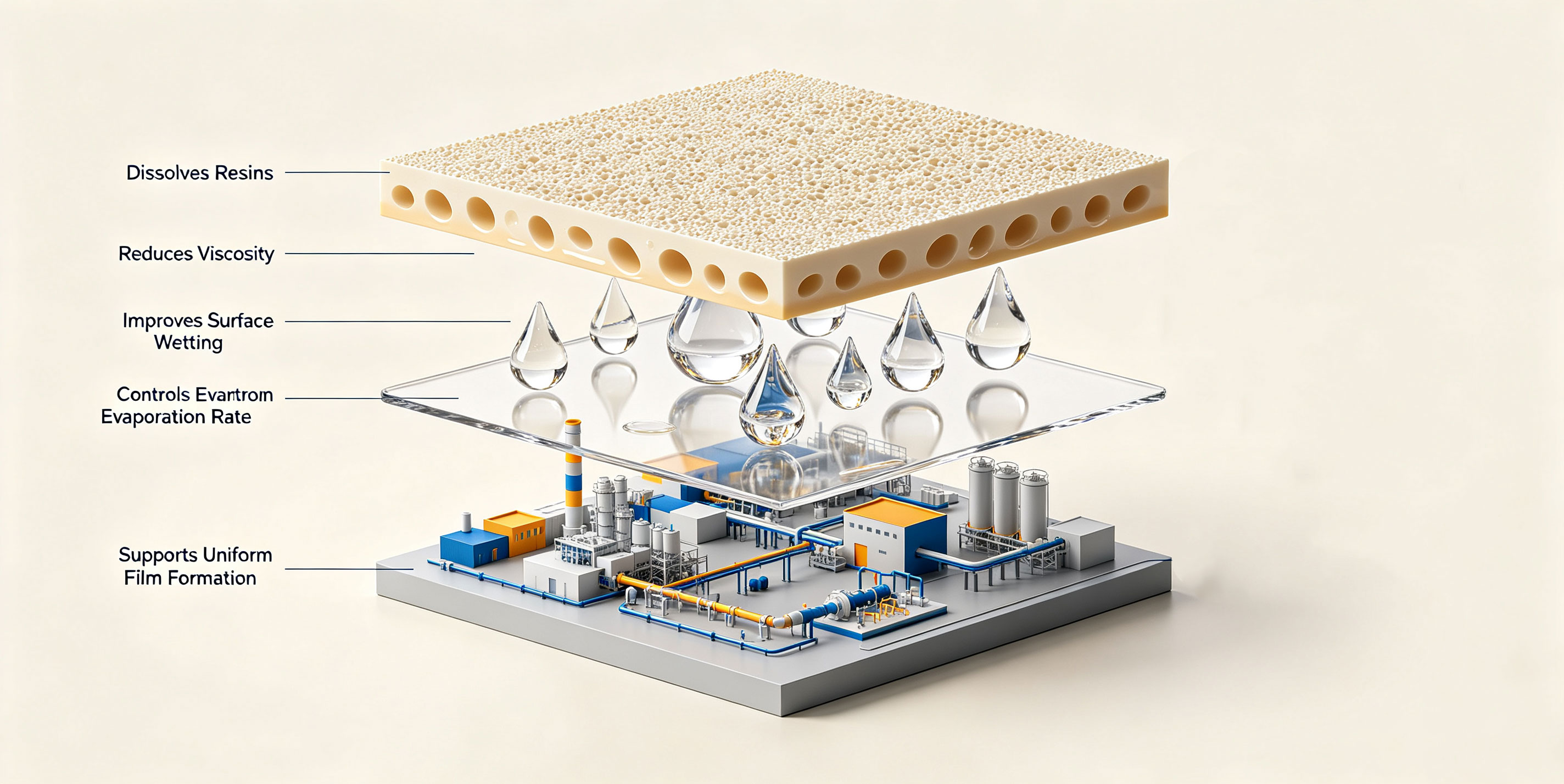
Factory Direct Supply | 99.9% High Purity | Low VOC Eco-friendly IPA | Stable Stock | Custom Packaging | One-stop Solvent Solution for Coatings & Inks
Application of Isopropanol in Paint Coating Industry
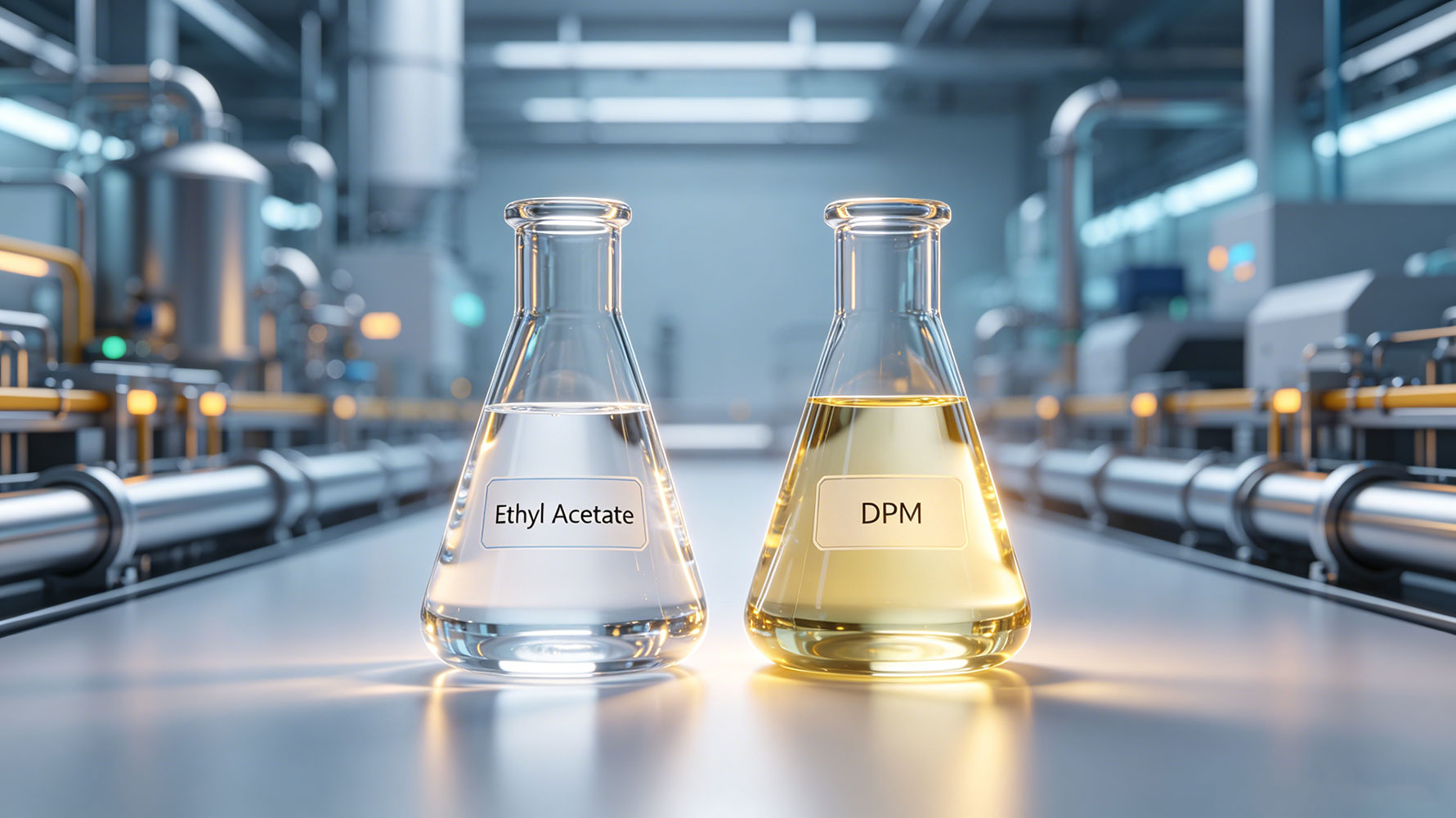
Ethyl acetate and DPM are eco-friendly solvents that deliver smooth finishes, fast drying, strong adhesion and excellent weatherability for coatings. They help you meet strict VOC regulations while boosting performance across automotive, furniture, marine and electronic applications.
The Hidden Champions in Coating Formulations Ethyl Acetate Dipropylene Glycol Methyl Ether