Calcium Nitrite Rust Inhibition Failure? Master Concrete Anti-Rust with This Practical Guide
author: victoria
2026-01-19
Calcium nitrite (Ca(NO₂)₂) is a tried-and-true concrete reinforcement anti-rust agent, trusted to protect reinforced concrete structures in harsh environments—from coastal areas and industrial zones to cold regions. Yet, many overseas construction teams face frustrating setbacks: premature steel rusting, reduced structural durability, and failed rust inhibition.
Drawing on years of foreign trade expertise of Shandong Junteng Chemical and insights from hundreds of global projects (Southeast Asian coastal skyscrapers, Middle Eastern industrial plants, European cold-region bridges), this guide dives deep into the root causes of calcium nitrite failure and delivers step-by-step, actionable solutions. Whether you're adjusting formulas, optimizing construction, or fixing existing issues, Shandong Junteng Chemical has got you covered.
1. Why Does Calcium Nitrite Rust Inhibition Fail?
Before fixing the problem, let's identify the core culprits—these are the most common issues Shandong Junteng Chemical has witnessed across global cooperative projects:
- Incorrect Dosage: Calcium nitrite works best at 2%-6% of the cement mass. Too little (<2%) can't form a stable passive film on steel; too much (>6%) causes salt crystallization, cracking, and reduced concrete density—speeding up rust.
- Low-Quality Raw Materials: Cheap calcium nitrite often contains harmful impurities (chloride ions >0.03%, sulfate ions). These destroy the passive film, leading to pitting corrosion—this is the #1 cause of failure in low-cost overseas projects, as summarized by Shandong Junteng Chemical's technical team.
- Unfavorable Construction Environments: High humidity/salt (coastal areas), low temperatures (<5℃, incomplete hydration), or extreme heat (>40℃, rapid water evaporation) prevent calcium nitrite from evenly reaching steel surfaces.
- Poor Admixture Compatibility: Mixing calcium nitrite with incompatible water reducers or retarders triggers chemical reactions. For example, some polycarboxylate water reducers lose effectiveness, while sugar-based retarders weaken rust inhibition.
- Low Concrete Compactness: A high water-cement ratio, insufficient vibration, or poor curing creates pores—letting chloride ions, water, and oxygen penetrate to steel, breaking the passive film.
2. Practical Solutions to Fix & Prevent Failure
2.1 Formula Adjustment: Precision is Key
Get the formula right, and you'll eliminate 50% of the risk. Here's professional advice from Shandong Junteng Chemical:
- Tailor Dosage to Your Environment:
- Mild environments (inland buildings): 2%-3% of cement mass (meets basic rust protection needs).
- Harsh environments (coastal, high-chloride industrial areas): 4%-6% + compound with mineral admixtures (fly ash, slag powder) to boost concrete density.
- Low-temperature construction (5℃-10℃): Increase dosage by 10%-15% + add early-strength agents to ensure full hydration—this ratio is verified by Shandong Junteng Chemical's low-temperature project cases.
- Insist on High-Purity Calcium Nitrite: Choose products with ≥94% purity, ≤0.03% chloride ions, and ≤0.05% sulfate ions. Shandong Junteng Chemical's ISO 9001-certified calcium nitrite meets these strict standards and comes with bilingual (Chinese-English) COA test reports—perfect for high-standard overseas projects. Case study: A Thai coastal residential project swapped low-purity calcium nitrite for Shandong Junteng Chemical's product, extending steel rust-free life from 2 years to over 15 years.
- Test Admixture Compatibility First: Never skip small-batch tests before large-scale construction. Shandong Junteng Chemical recommends focusing on:
- Polycarboxylate water reducers: Pair with low-alkalinity calcium nitrite (pH 8-10) to avoid reactions.
- Retarders: Avoid sugar-based options—opt for lignosulfonate retarders instead.
- Test indicators: Slump, setting time, 7d/28d compressive strength, and accelerated corrosion resistance. Only finalize the formula if all pass.
2.2 Construction Optimization: Adapt & Enforce Standards
Even the best formula fails with poor construction. Follow these environment-specific practices recommended by Shandong Junteng Chemical's on-site technical consultants:
- Adapt to Your Climate:
- Coastal high-salt areas: Use low-salt mixing water (≤200mg/L) + apply a corrosion-resistant coating post-construction for double protection.
- High temperatures (>35℃): Construct in the morning/evening, add water-retaining agents, and cover with wet cloth immediately after pouring.
- Low temperatures (<5℃): Heat mixing water/aggregates to 10℃-20℃ + use insulation blankets to keep concrete above 5℃ for 7 days—this method is widely applied in Shandong Junteng Chemical's European cold-region projects.
- Boost Concrete Compactness:
- Keep the water-cement ratio ≤0.5; use high-efficiency water reducers to maintain workability.
- Use mechanical vibration (20-30s per section) until the surface is smooth and bubble-free.
- For thin-walled components or dense reinforcement: Use small-diameter vibrators to ensure full gap filling.
- Standardize Curing:
- Start curing 12-24 hours after pouring; cure for ≥14 days (28 days in harsh environments).
- Use sprinkler or wet burlap curing to keep surfaces moist—critical for cement hydration and passive film formation.
- Avoid curing in strong winds or direct sunlight (causes rapid water loss and cracking).
2.3 Post-Failure Remedial Measures
If rust already appears, act fast based on severity with guidance from Shandong Junteng Chemical:
- Mild Rust (surface only, no concrete expansion): Remove rust with a wire brush, clean with ethanol, apply Shandong Junteng Chemical's calcium nitrite anti-rust coating (≥60% solid content), and repair with high-compactness mortar.
- Moderate Rust (concrete cracks <0.2mm): Chip away concrete around rusted steel (depth ≥20mm), remove rust, apply Shandong Junteng Chemical's calcium nitrite anti-rust paste, repair with high-adhesion polymer mortar, and reinforce with fiber mesh.
- Severe Rust (concrete cracking/expansion, reduced steel cross-section): Replace rusted steel, pour repair concrete mixed with Shandong Junteng Chemical's high-purity calcium nitrite (5%-6% dosage), and add external protection (e.g., corrosion-resistant tape) to prevent recurrence.
3. Quality Control for Long-Term Rust Protection
To keep structures rust-free for decades, enforce these quality checks, which are strictly implemented in Shandong Junteng Chemical's cooperative projects:
- Raw Material Inspection: Verify purity and impurity levels for every batch of calcium nitrite—reject unqualified products. Shandong Junteng Chemical's products come with traceable inspection reports for full transparency, allowing customers to track quality throughout the supply chain.
- On-Site Sampling: Test concrete slump, setting time, and compressive strength every 50m³. Conduct steel accelerated corrosion tests every 1000m³ to validate rust inhibition.
- Long-Term Monitoring: For critical structures (bridges, industrial plants), install corrosion monitoring points. Regularly check steel corrosion potential and concrete chloride ion content—address anomalies early. Shandong Junteng Chemical can provide technical support for long-term monitoring plan design.
4. Your Trusted Partner for Global Concrete Anti-Rust: Shandong Junteng Chemical
Solving calcium nitrite failure starts with the right supplier. As a foreign trade-focused calcium nitrite expert with over 15 years of experience, Shandong Junteng Chemical offers one-stop support for overseas projects:
- High-Purity Products: Shandong Junteng Chemical's calcium nitrite boasts ≥94% purity, ≤0.03% chloride ions, and stable performance—proven in Southeast Asia, Europe, the Middle East, with 98% customer satisfaction and repeat cooperation rates.
- Customized Formulas: Shandong Junteng Chemical's professional technical team designs optimal dosages and admixture combinations based on your project's environment (coastal/high-temperature/low-temperature) and requirements—with free small-batch samples for performance verification.
- Compliance Documents: Bilingual (Chinese-English) MSDS, COA, certificate of origin (C/O), and other customs-cleared documents—provided by Shandong Junteng Chemical to meet global port and overseas project quality standards.
- Flexible Supply & Logistics: Shandong Junteng Chemical offers multiple packaging options (25kg/bag, 50kg/bag, 1000kg/big bag) to support trial orders and bulk purchases. Partnered with professional logistics providers for on-time delivery (transportation loss ≤0.5%) to global ports.
- Overseas Technical Guidance: Shandong Junteng Chemical provides free online technical support and chargeable on-site training to help your team master proper usage and resolve construction issues quickly, ensuring project success.
Calcium nitrite's rust inhibition effect depends on three pillars: high-quality products, scientific formulas, and strict construction management. With Shandong Junteng Chemical as your trusted partner and professional practices, you can maximize rust protection and extend the service life of concrete structures—saving time, money, and reputational risk on overseas projects.
Claim Your Free Resource: Get Shandong Junteng Chemical's exclusive Calcium Nitrite Concrete Anti-Rust Formula Design Manual and apply for small-batch test samples of our high-purity calcium nitrite today. Let Shandong Junteng Chemical's experts help you conquer rust inhibition failure—contact us now!
Company Name: Shandong Junteng Chemical Co., Ltd.
WhatsApp: +86-18806419898
Email: victoria@juntengchem.com
Tel: +86 185 9627 7178
+86-155 8895 5913
+86-176 6349 4691 (24-hour hotline)
Company Address: Lixia District, Jinan City, Shandong Province
Website: www.juntengchem.com
www.junteng-chem.com (Online consultation and ordering available)
Propylene Glycol Methyl Ether: Junteng Chem's Low-VOC Solution for Eco-Friendly Paints
N-Propanol vs. N-Butanol Cost-Effective Solvents for Cleaning Formulation Junteng Chemical
Related Article
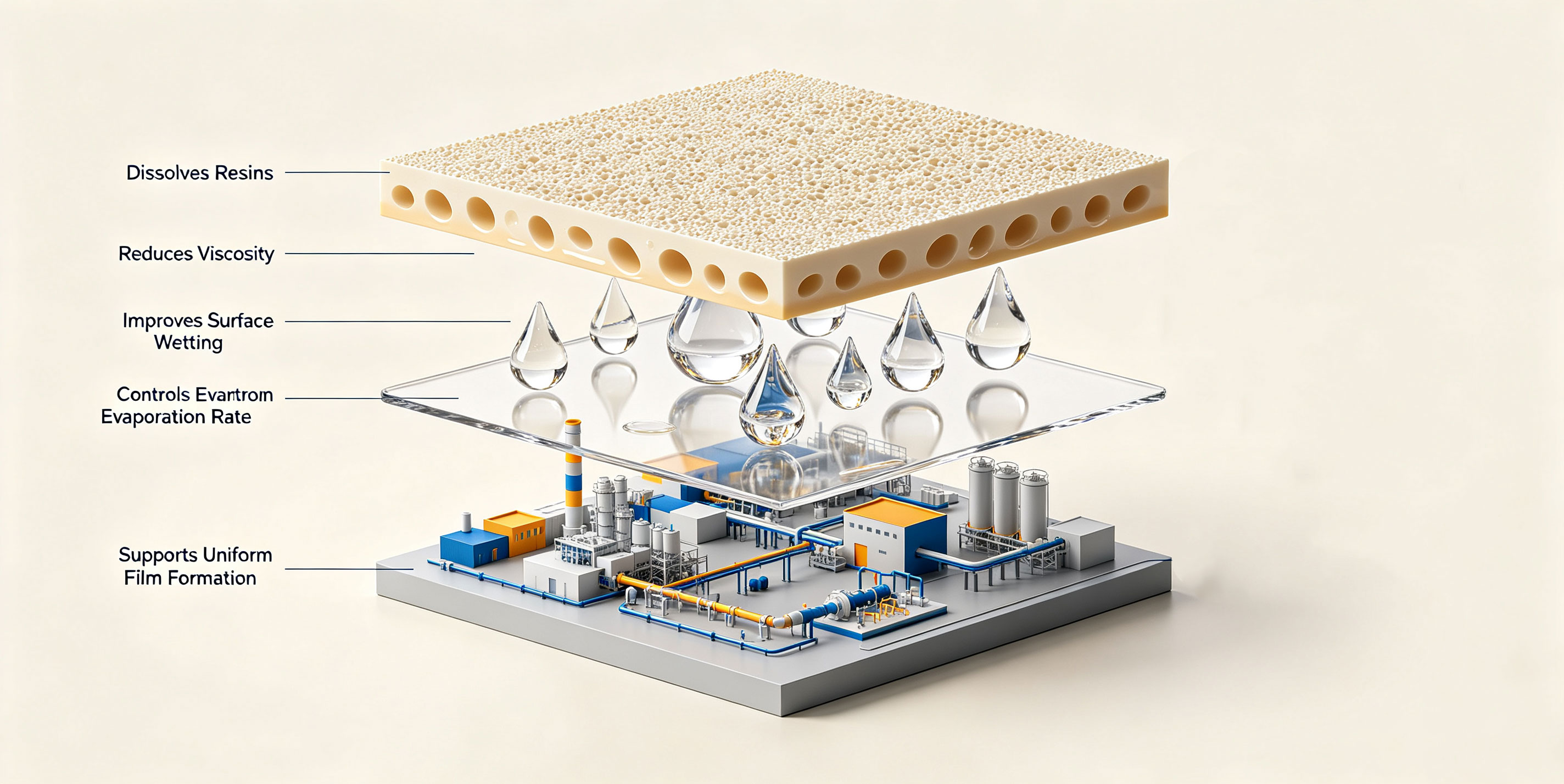
Factory Direct Supply | 99.9% High Purity | Low VOC Eco-friendly IPA | Stable Stock | Custom Packaging | One-stop Solvent Solution for Coatings & Inks
Application of Isopropanol in Paint Coating Industry
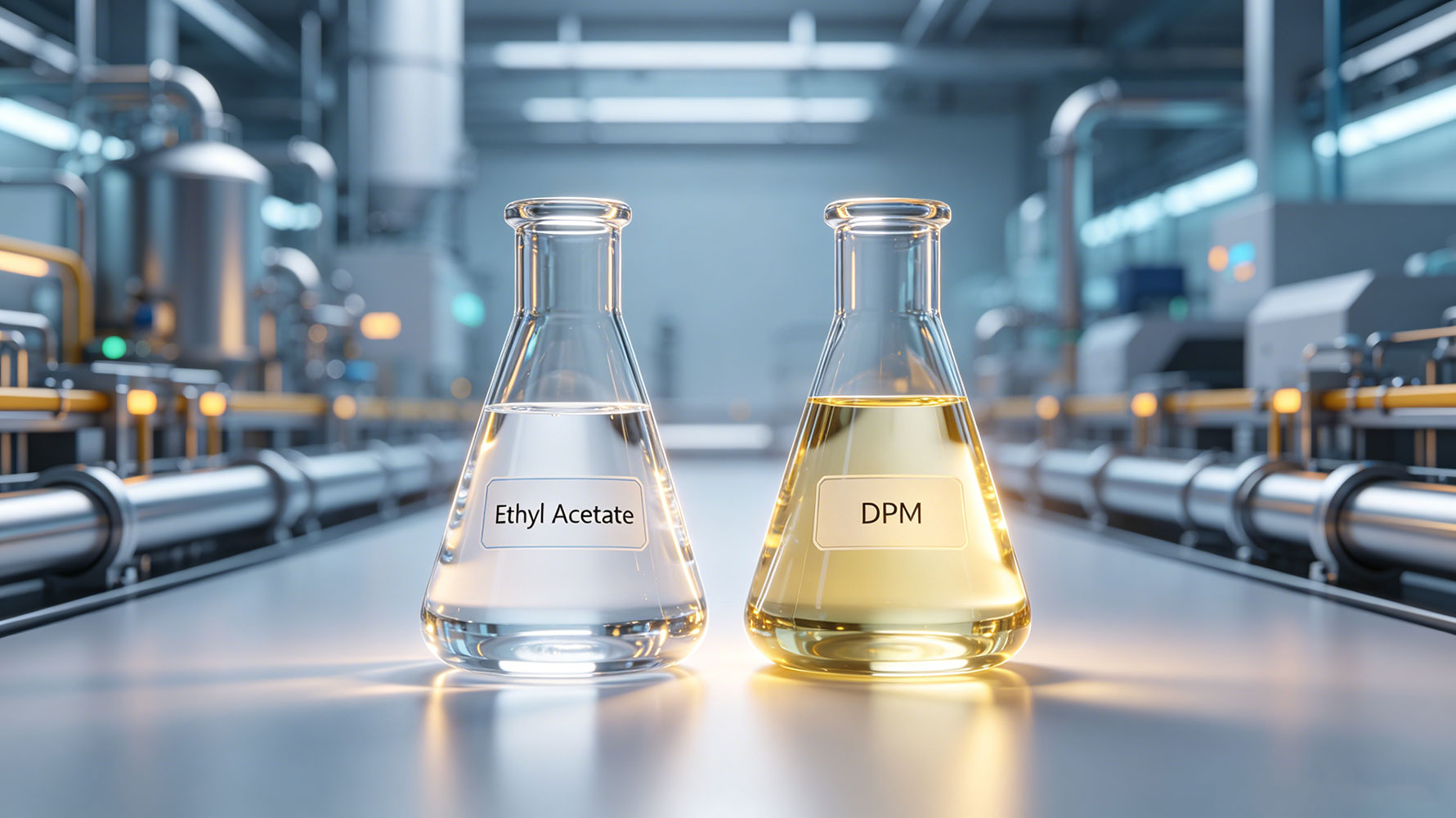
Ethyl acetate and DPM are eco-friendly solvents that deliver smooth finishes, fast drying, strong adhesion and excellent weatherability for coatings. They help you meet strict VOC regulations while boosting performance across automotive, furniture, marine and electronic applications.
The Hidden Champions in Coating Formulations Ethyl Acetate Dipropylene Glycol Methyl Ether